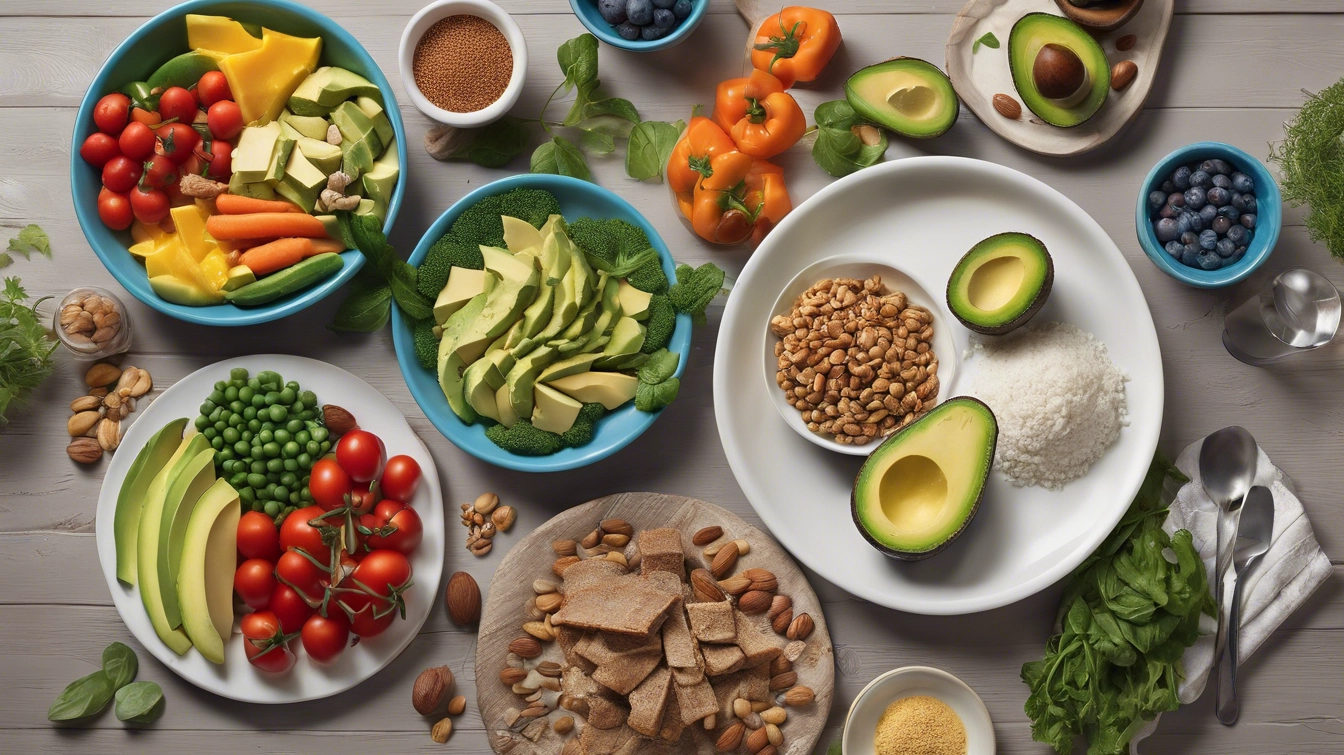
A diabetes diet plan focuses on managing blood sugar levels while still enjoying tasty foods. It encourages balanced meals filled with nutrients and limits sugar and refined carbs. Whether you’re newly diagnosed or looking to refine your eating habits, this plan can help you make healthier choices that fit into your lifestyle without sacrificing flavor.
Understanding Carbohydrate Counting

Carbohydrate counting is an easy way to manage your diabetes. It helps you keep track of how many carbs you’re eating, which is key for controlling blood sugar levels. Using a calculator and a simple log can make this process smooth and effective.
Meal Prep Ideas for Busy Schedules
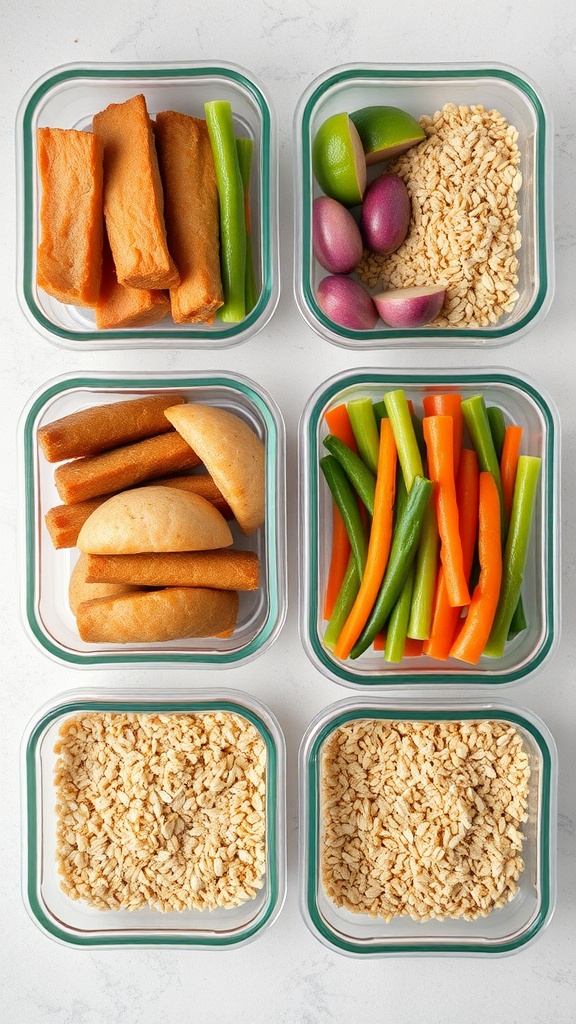
Busy days don’t have to mean unhealthy meals. Try prepping portions of lean proteins, fresh veggies, and whole grains in advance. This way, you’ll have easy, diabetes-friendly options ready to grab when you need them the most.
Flavoring Food Without Sugar
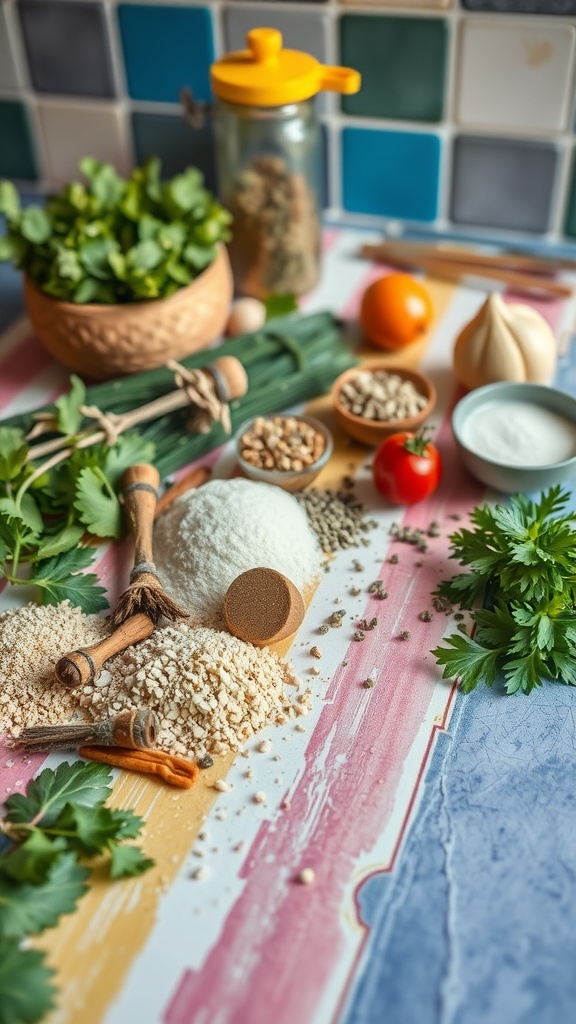
Spicing up your meals can be a game changer for a diabetes-friendly diet. Use fresh herbs like cilantro and spices like cinnamon to bring flavor without the sugar. This way, you can enjoy tasty dishes while keeping your blood sugar in check!
Choosing Healthy Fats for Blood Sugar Control
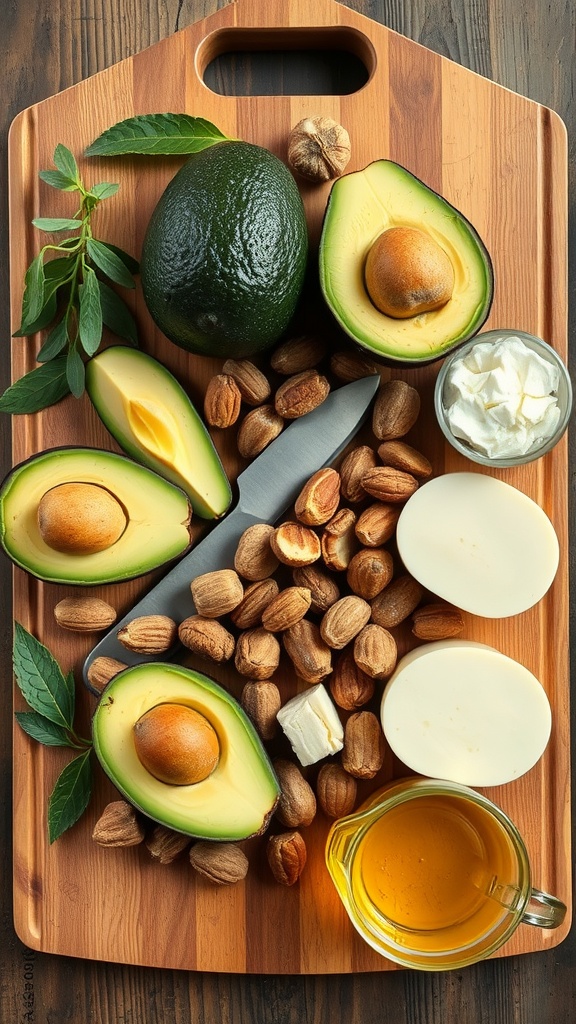
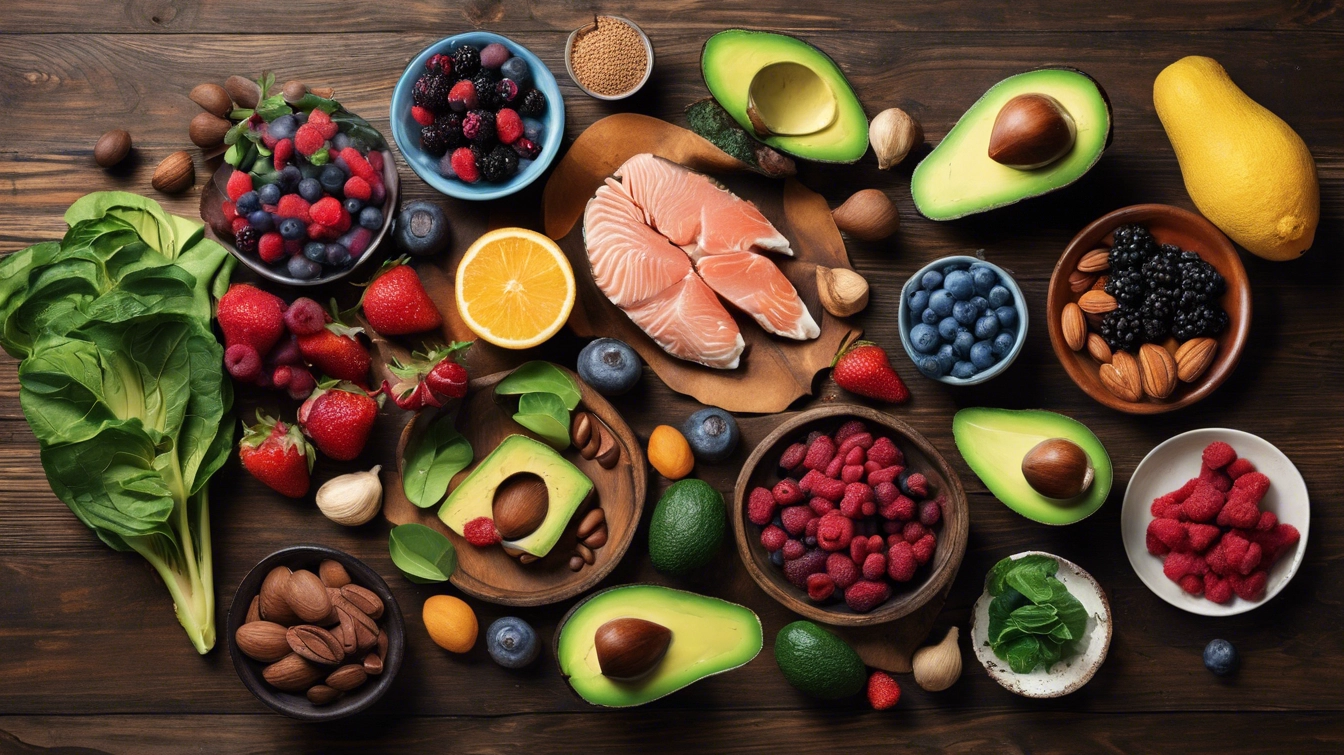
Healthy fats can be your best friends when managing blood sugar. Foods like avocados, nuts, and olive oil not only taste great but also help stabilize your levels. Incorporating these into your meals can make a big difference in how you feel throughout the day.
The Importance of Portion Control

Portion control is key for managing diabetes and maintaining a healthy lifestyle. By keeping an eye on serving sizes, you can enjoy a variety of foods without going overboard. This simple practice helps keep blood sugar levels stable and makes mealtime more satisfying.
Smart Snacking for Steady Energy
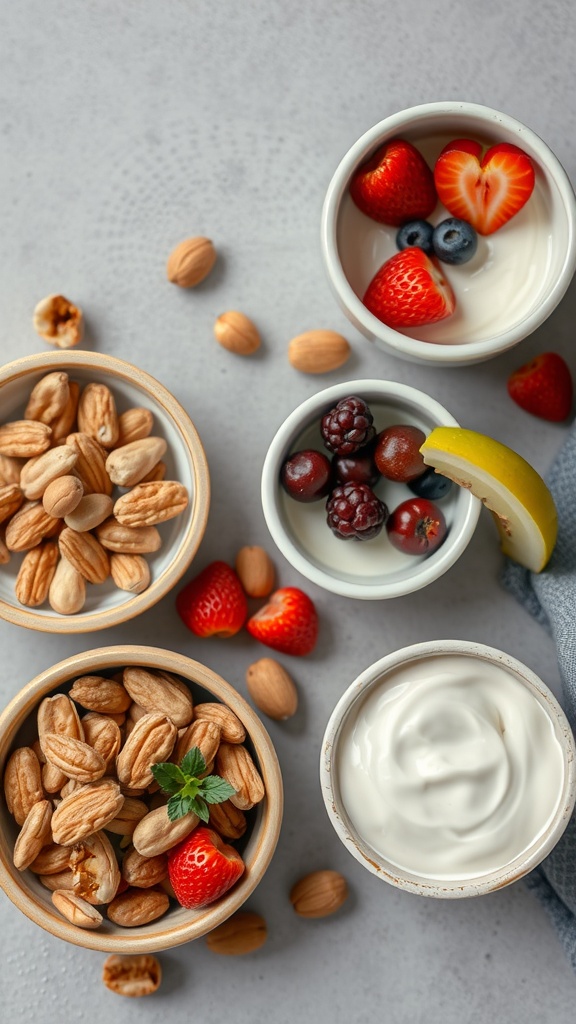
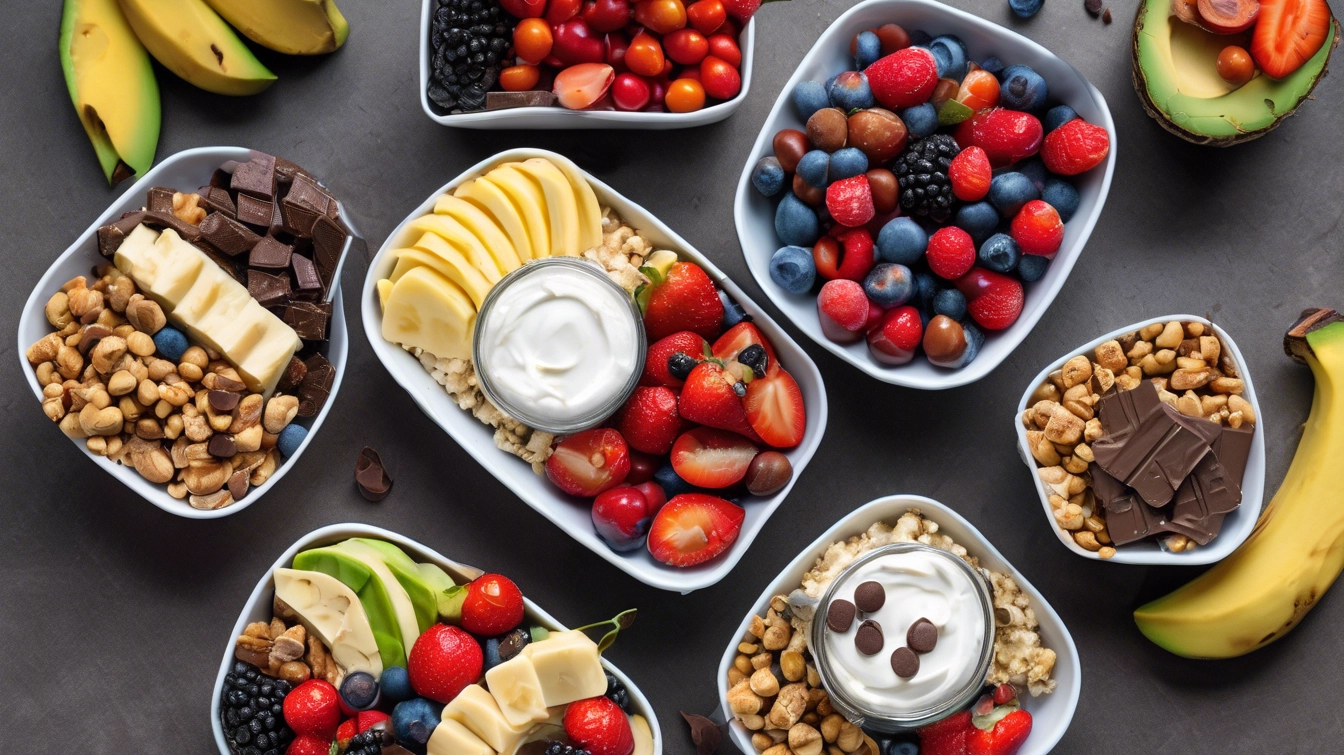
Snacking smart is key to keeping your energy levels steady throughout the day. Opt for a mix of healthy options like yogurt topped with fresh berries and a handful of almonds. These snacks not only satisfy your cravings but also help maintain balanced blood sugar levels.
Incorporating Whole Grains into Meals
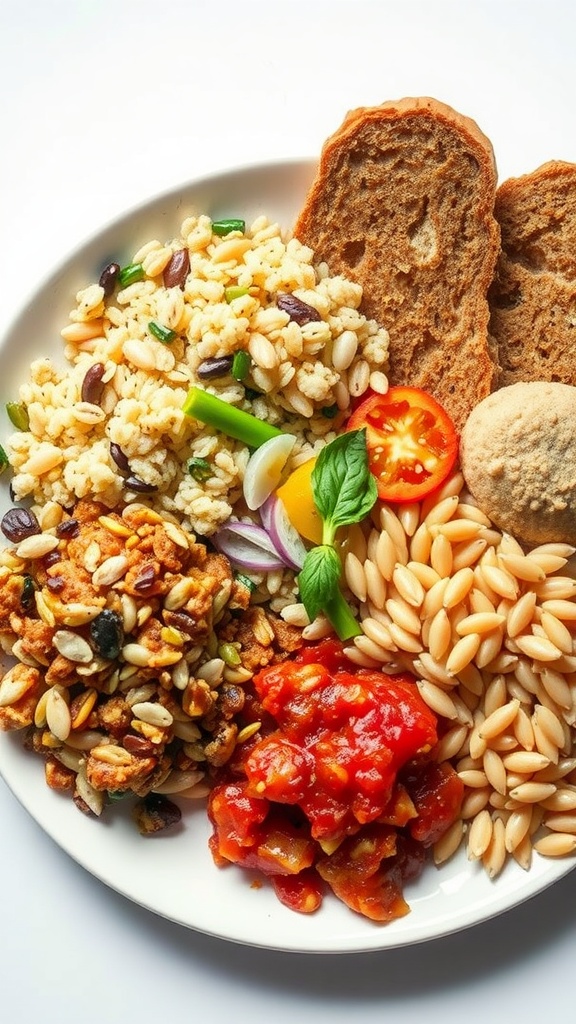
Whole grains are a fantastic choice for a diabetes diet plan. They help keep blood sugar levels steady while providing essential nutrients. Try adding brown rice, whole grain bread, or quinoa to your meals for a tasty boost.
The Role of Fiber in Diabetes Management

Fiber plays a key role in managing diabetes by helping to stabilize blood sugar levels. Foods rich in fiber, like fruits and vegetables, can keep you feeling full longer and reduce cravings. Incorporating more fiber into your diet is a tasty and effective way to support your health.
Cooking Techniques to Preserve Nutrients

When preparing meals for a diabetes diet, keeping nutrients intact is key. Steaming, sautéing, and quick stir-frying are great methods to cook vegetables without losing their vitamins. These techniques not only help maintain flavor but also support a healthy lifestyle.
Planning Balanced Meals

Planning balanced meals can be simple and fun. Focus on including a mix of proteins, healthy fats, and plenty of colorful veggies on your plate. This way, you can enjoy tasty meals that also help manage your blood sugar levels.
Consulting with Healthcare Professionals

Talking to your doctor is a smart move when planning a diabetes diet. They can give you personalized advice that fits your health needs. Remember, working together with professionals helps you stay on track and feel your best.
Reading Food Labels for Better Choices

Reading food labels is a great way to make healthier choices for your diabetes diet plan. Look for low sugar and high fiber options to keep your blood sugar stable. Don’t forget to check the serving sizes, as they can be tricky!
Hydration and Its Impact on Blood Sugar

Staying hydrated is key for managing blood sugar levels. Water helps your body process sugar more effectively and can even prevent spikes. So grab that refreshing glass and enjoy the benefits!
Understanding Glycemic Index of Foods
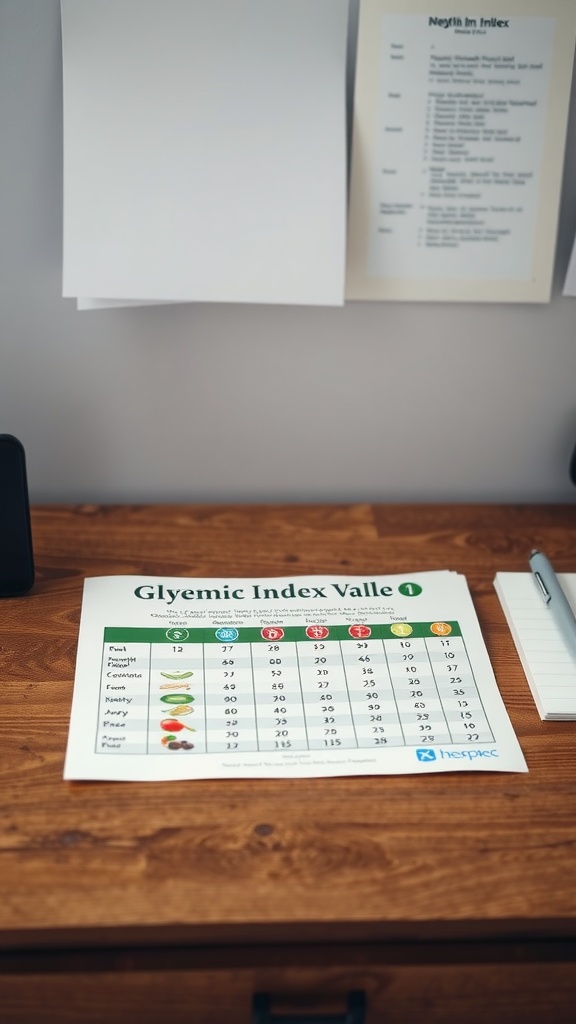
The glycemic index (GI) is a helpful tool for managing diabetes through diet. Foods with a low GI can keep your blood sugar levels stable, which is super important. Checking the GI of foods can make meal planning easier and more enjoyable.
The Benefits of Regular Meal Timing
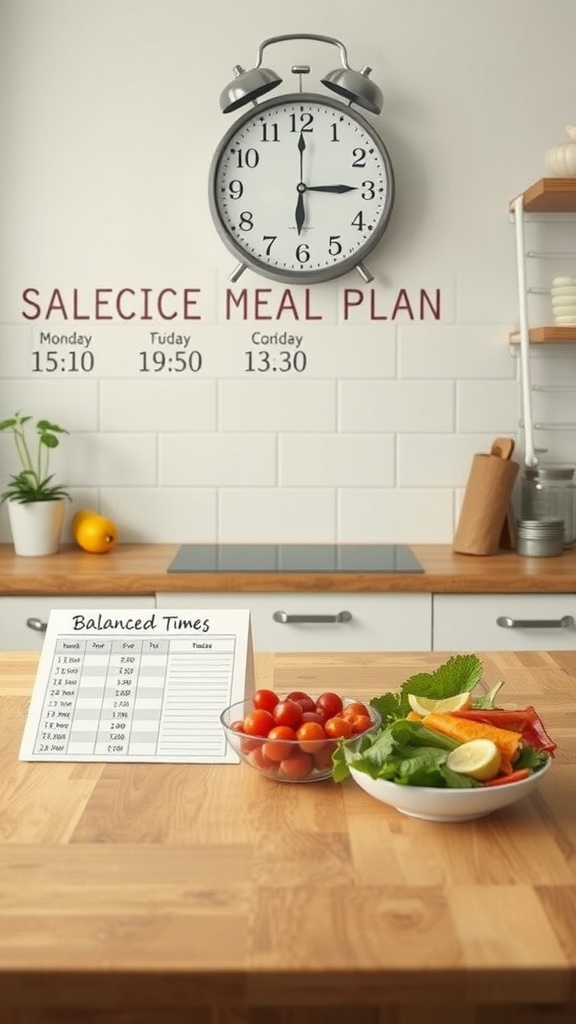
Eating at regular times helps keep your blood sugar steady, which is key for managing diabetes. It makes planning meals easier, too, so you can focus on healthy choices. Plus, sticking to a schedule can help keep those hunger pangs at bay!
Creating a Personalized Meal Plan
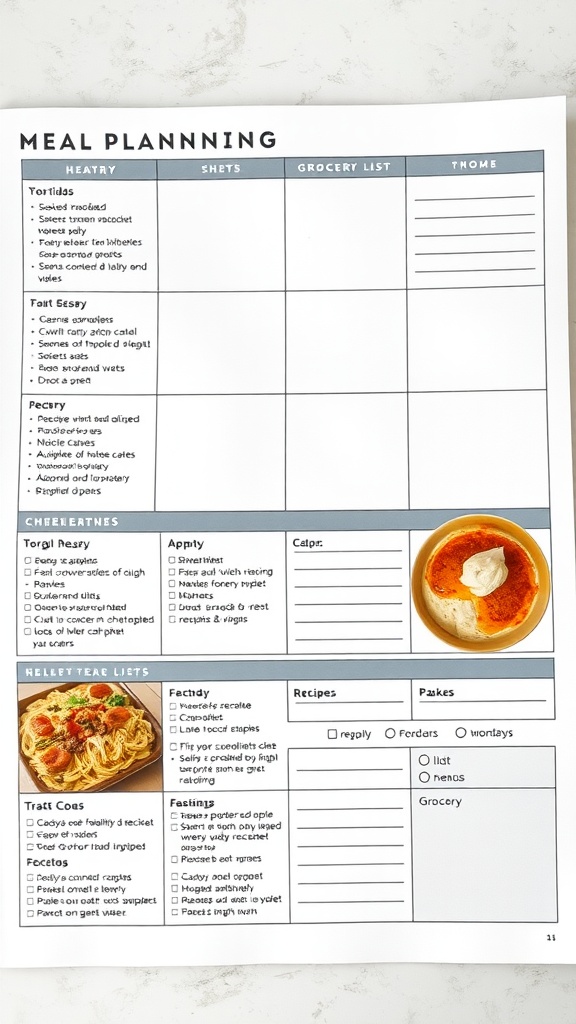
When planning meals for diabetes, it’s key to focus on balance. Include healthy proteins, whole grains, and plenty of vegetables to keep your meals satisfying. Take time to find what works best for you and enjoy the process!
Navigating Social Events and Dining Out

Dining out with diabetes doesn’t have to be stressful. Look for meals that are rich in veggies, lean proteins, and whole grains, which can help keep your blood sugar stable. Don’t hesitate to ask for modifications; most places are happy to accommodate your needs!