

Investing can seem scary at first, but it’s not. You can start with just $100. This small amount can kickstart your investment journey through micro-investing. It’s a simple way to invest in many assets, perfect for newbies.
Micro-investing is great for beginners. It lets you start small and learn about different investments. This way, you can find what suits you best. It’s easy to begin with beginner-friendly options.
Even a small amount can make a difference over time. Micro-investing helps you build good financial habits. It’s a simple way to start growing your wealth.
Key Takeaways
- Micro-investing is a beginner-friendly investment approach that allows you to invest small amounts of money.
- Beginner-friendly investments are designed to be accessible and easy to understand.
- Investing for beginners is all about taking that first step and starting small.
- Micro-investing can help you build healthy financial habits and set yourself up for long-term success.
- Investing with a small amount of money can still have a big impact over time.
- Beginner-friendly investments like micro-investing can help you start growing your wealth.
Why Starting Small with Investing Makes Sense
Investing with a small amount of money might seem scary at first. But it’s actually a smart way to start growing your wealth. By starting early, you can use compound interest to make your money grow over time. Many people believe they need a lot of money to invest, but that’s just a myth.
The Power of Starting Early
Starting to invest early helps you develop financial discipline. It makes investing a regular part of your life. Even small, regular investments can add up, thanks to compound interest.
Common Myths About Minimum Investment Requirements
Many think you need a lot of money to start investing. But, many platforms and apps let you start with just a little. Remember, investing is a long-term game. It’s better to start small and keep going than to wait for a big sum.
Building Healthy Financial Habits
Starting small with investing helps you build good financial habits. It teaches you to regularly set aside money and watch your investments. It’s also a chance to learn about managing risks and making smart investment choices.
Understanding the Basics Before You Start
Investing starts with knowing the investment basics. This means figuring out your risk tolerance. It’s about how well you can handle losses in your investments. Your risk tolerance helps you choose investments that feel right for you.
It’s also important to have clear financial goals. What do you want to achieve with your investments? Maybe you’re saving for retirement or a big purchase. Knowing your goals helps you pick the right investments to reach them.
Here are some key points to consider:
- Assess your risk tolerance to determine your comfort level with potential losses
- Set clear financial goals to guide your investment decisions
- Understand basic investment terminology to make informed decisions
By understanding these basics, you’ll make better investment choices. You’ll be on your way to reaching your financial goals.
Micro-Investing Apps: Your Gateway to Investing
Micro-investing apps have changed how we invest. They make it simple to start with small amounts of money. These apps let users pick the best platform for them, based on their needs and how easy it is to use.
When picking a micro-investing app, there are key things to think about. Apps like Acorns, Stash, and Robinhood offer different features and investment choices. It’s important to look at fees, investment options, and how easy the app is to use.
Key Features to Look For
- Fees: Look for apps with low or no fees, as they can eat into your investment returns.
- Investment options: Consider the range of investment options available, including stocks, ETFs, and cryptocurrencies.
- User experience: Choose an app with a user-friendly interface and easy navigation.
By looking at these factors and picking the right app, you can start investing with confidence. Micro-investing apps have made investing easier and more accessible. They offer a great way for beginners to start building a diversified portfolio.
Investing with $100 Through Robo-Advisors
Robo-advisors have changed how we invest, letting us start with just $100. These platforms offer a cost-effective way to invest. They provide a mix of investments and keep fees low. This makes it easy for new investors to start growing their wealth.
Robo-advisors are great because they offer automated investing. This means your investments are managed without human help. It saves money and helps avoid making emotional investment choices. Plus, they have low fees, so more of your money goes into investments, not fees.
Some benefits of using robo-advisors include:
- Low minimum investment requirements
- Automated portfolio rebalancing
- Dividend reinvestment
- Tax-efficient investing
In summary, robo-advisors are perfect for starting to invest with $100. They offer a simple, affordable, and efficient way to invest. With their automated investing and low fees, they’re a great choice for new investors.
Fractional Shares: Owning Pieces of Premium Stocks
Investing in the stock market can seem daunting, especially with high-priced stocks. But now, fractional shares make it possible to own a piece of your favorite companies without spending a lot. You can invest in premium stocks with just $100.
This way of investing lets you own shares in companies you believe in, even if you can’t afford a full share. It helps you build a diversified portfolio. This is key for managing risk and getting the best returns. Diversification is crucial for a successful investment strategy, and fractional shares make it easier for more people to invest.
How Fractional Shares Work
Fractional shares let you buy a part of a stock, not the whole thing. Online brokerages make this possible. They hold the shares for you in a custodial account.
Best Platforms for Fractional Investing
Platforms like Fidelity, Robinhood, and eToro offer fractional investing. They let you buy and sell parts of stocks, ETFs, and more. When picking a platform, look at fees, commissions, and the types of securities available.
Building a Diversified Portfolio with Fractions
Building a diversified portfolio with fractional shares is simple. Start by spreading your investments across different types, like stocks, bonds, and ETFs. Use fractional shares to invest in various companies. This way, you can tailor your portfolio to your needs and goals.
| Platform | Fees | Commission |
|---|---|---|
| Fidelity | $0 | $0 |
| Robinhood | $0 | $0 |
| eToro | $0 | $0 |
Exchange-Traded Funds (ETFs) for Beginners
Investing in the stock market can seem scary, but it’s not for everyone. Exchange-Traded Funds (ETFs) are a great choice for beginners. They offer diversified investing and are relatively low risk. ETFs are traded on a stock exchange, just like stocks.
ETFs let you invest in many assets with one investment. This makes them good for those who want to diversify their portfolio and keep low risk. Some benefits of ETFs include:
- Flexibility: ETFs can be traded all day, letting investors quickly react to market changes.
- Transparency: ETFs show their holdings daily, so investors know what they own.
- Cost-effectiveness: ETFs usually have lower fees than other funds.
When investing in ETFs, it’s key to research and pick a fund that fits your goals and risk level. With their low risk and diversified investing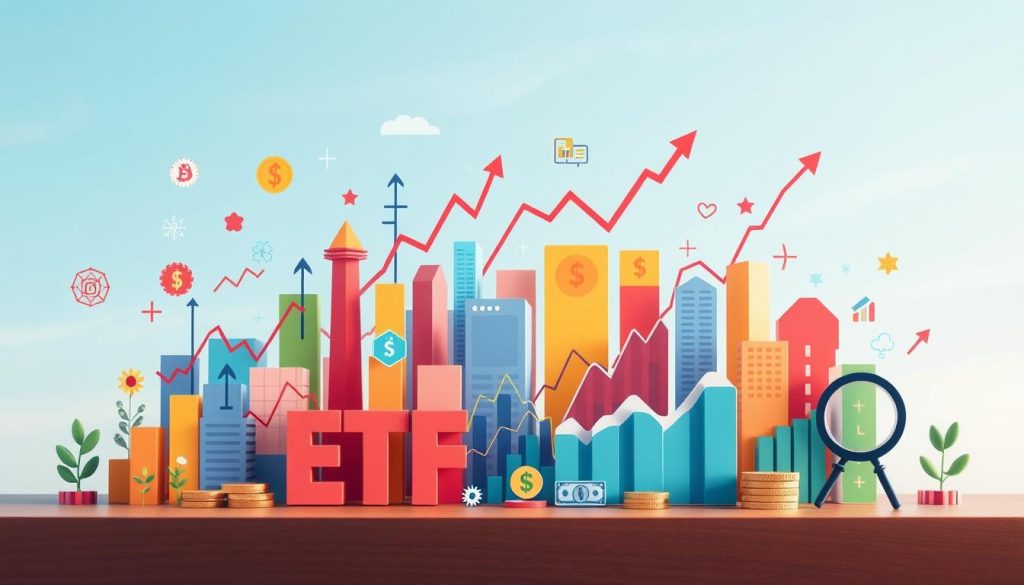
Considering ETFs for your investment strategy is a great first step. They help build a diversified portfolio and work towards your financial goals. With their simplicity and low risk, ETFs are perfect for new investors.
Cryptocurrency Investments: What You Need to Know
Investing in cryptocurrency can be thrilling, but it’s key to know the risks. The market is volatile, with prices changing fast. Understanding the security measures is crucial to protect your investments.
When you think about investing in cryptocurrency, start small and know the risks. Investment risks can be lessened by diversifying and staying updated on trends. Also, strong security measures can protect your investments from threats.
Understanding Crypto Risks
- Market volatility: Cryptocurrency prices can change quickly, leading to big losses if not managed well.
- Security threats: Exchanges and wallets can be hacked, posing a risk to your investments.
- Regulatory risks: Changes in laws can affect the market, impacting your investment’s value.
Starting Small in Crypto Markets
To start with cryptocurrency, begin with a small amount and grow it as you learn. This way, you can handle risks better and avoid big losses.
Security Considerations
Strong security is vital to protect your cryptocurrency investments. Use trusted exchanges, enable two-factor authentication, and keep your coins in a safe wallet. These steps help keep your investments safe and reduce the risk of loss from security breaches.
Peer-to-Peer Lending Opportunities
Peer-to-peer lending is a special alternative investment where people lend money to others. This way, they can earn a return on their investment. It’s become more popular, helping borrowers get funds and lenders earn interest.
The process is simple. Lenders join a platform, put in their money, and pick the loans to invest in. The platform takes care of the loan details, like checking credit and collecting payments. In return, lenders get a yield on their investment, often more than what’s found in savings accounts.
Some perks of peer-to-peer lending include:
- Diversifying your investment portfolio
- Potential for higher yields than traditional investments
- Helping individuals or small businesses
But, there are risks too, like borrowers not paying back on time. To avoid these, pick a trusted platform and check the borrowers’ creditworthiness well.
Looking into peer-to-peer lending as an alternative investment can lead to higher yield earnings. It also helps others in need of funds. Always be cautious and weigh the risks and rewards carefully.
High-Yield Savings Accounts as a Starting Point
For those who are cautious or new to investing, high-yield savings accounts are a good start. They offer higher interest rates than traditional savings accounts. This means you can earn more on your money. Online banking makes it easy to open and manage these accounts.
Comparing Traditional vs Online Banks
When picking a high-yield savings account, compare traditional and online banks. Online banks usually have higher interest rates and lower fees. This makes them a better choice for saving money. Banks like Ally and Marcus are popular for their competitive rates and easy-to-use online platforms.
Interest Rates and Returns
High-yield savings accounts offer interest rates between 1.5% and 2.5% APY. These rates are stable and come with less risk. Here’s a table showing interest rates and returns from different accounts:
| Bank | Interest Rate | APY |
|---|---|---|
| Ally | 1.8% | 1.9% APY |
| Marcus | 2.0% | 2.1% APY |
| CIT Bank | 1.7% | 1.8% APY |
By considering these factors and choosing the right high-yield savings account, you can start building a stable financial base. You’ll also earn a higher return on your savings.
Investment Account Types to Consider
Understanding the different investment accounts is key. Investment accounts fall into tax-advantaged, retirement, and other categories. Each offers unique benefits for long-term financial goals.
Tax-advantaged accounts like 401(k) or IRA help your money grow faster. Retirement accounts are made for saving for retirement, with many investment choices. Other accounts, like brokerage ones, offer flexibility and a wide range of assets.
When picking an account, look at:
- Fees and charges
- Investment options
- Tax benefits
- Minimum balance needs
Think about your financial goals and how much risk you can take. The right account can help build a strong investment portfolio. This way, you can reach your long-term financial goals.
Successful investing means starting early, being consistent, and knowing your options. By exploring tax-advantaged accounts and retirement accounts, you can make smart choices. This helps you achieve your financial dreams.
Risk Management Strategies for Small Portfolios
Investing with a small portfolio means you need to watch out for risks. Small portfolios can be hit hard by market changes. It’s key to have plans to lessen these losses.
Diversification is a big part of this. It means spreading your money across different types of investments. This way, you’re not all in one basket.
It’s also important to set realistic goals for your investments. Know what you want to achieve and how to get there. This helps you make smart choices and avoid taking too big of a risk.
Diversification Basics
Diversification is a core risk management idea. By investing in various assets, you spread out your risk. This can include stocks, bonds, and even real estate or commodities.
Setting Realistic Goals
Setting the right investment goals is vital. You need to know your financial situation, how long you can invest, and how much risk you can handle. With clear goals, you can make better investment choices and avoid too much risk.
- Understanding your financial situation and investment horizon
- Assessing your risk tolerance and adjusting your investments accordingly
- Creating a diversified portfolio to reduce exposure to any one market
Common Mistakes to Avoid When Starting Small
Investing is all about patience. Many new investors want quick wins, which often leads to investment mistakes. It’s important to have realistic goals and remember that investing is a long-term game.
Common beginner errors include not doing enough research, making decisions based on emotions, and not diversifying enough. These mistakes can cost a lot, but they can be avoided. Knowing these pitfalls helps investors make better choices and reduce risk.
To do well in investing, you need a clear plan and a calm mind. Avoid making quick decisions, stay informed, and be patient with market ups and downs. This way, you can avoid investment mistakes and grow your investments over time.
- Set realistic goals and expectations
- Conduct thorough research before making investment decisions
- Diversify your portfolio to minimize risk
By following these tips and avoiding common beginner errors, investors can set themselves up for success. This will help them make the most of their investment journey.
Tools and Resources for New Investors
Starting as a new investor can be exciting but also daunting. The right tools and resources can make a big difference. You’ll find many options, so it’s key to know where to begin. Tools like tracking apps help you watch your investments and make smart choices.
Also, educational resources offer deep insights into investing. They help you understand the markets better and make informed decisions. This knowledge is crucial for success.
Consider using investment tracking apps to keep an eye on your investments. These apps offer features like portfolio analysis and news updates. They help you stay informed and make timely decisions.
Moreover, community support options connect you with seasoned investors. You can ask questions, share knowledge, and learn from others. This support is invaluable for new investors.
For educational resources, there’s a wealth of options like online courses and webinars. These cover everything from investing basics to advanced strategies. By using these resources, you can build a strong foundation in investing.
With the right tools and resources, you can confidently navigate the investing world. This will help you reach your financial goals.
Some popular tools and resources include:
- Investment tracking apps, such as Personal Capital or Mint
- Online educational platforms, such as Coursera or Udemy
- Community support options, such as Reddit’s r/investing or online forums
By using these resources and staying focused on your goals, you can overcome challenges. This will lead to long-term success in investing.
Growing Your Investment Over Time
When it comes to growing your investment portfolio, patience is key. Long-term investing needs a solid strategy and a commitment to follow it. One good strategy is to invest regularly. This helps reduce the impact of market ups and downs.
Another way is to reinvest dividends. This lets your investments grow even more over time. By not buying and selling too often, you can save on fees and increase your long-term gains.
To succeed in long-term investing, knowing your financial goals and risk level is crucial. Here are some growth strategies to consider:
- Start early and be consistent with your investments
- Diversify your portfolio to minimize risk
- Stay informed but avoid making emotional decisions based on short-term market volatility
By taking a long-term view and sticking to your strategies, your investment portfolio can grow. Remember, growing your investment is a marathon, not a sprint. Patience is key to reaching your financial goals.
Conclusion: Taking Your First Steps in Investing
Congratulations! You’ve started on the path to a secure financial future with just $100. Remember, success in investing comes from patience, consistency, and learning as you go.
Choose from micro-investing apps, robo-advisors, or other easy options. The key is to start now and let your money grow. As you get more experience, you can add more to your portfolio and try new strategies.
Starting your journey to financial freedom is exciting. This is just the beginning of a brighter future. Let your investment journey lead you to a prosperous tomorrow.