

Setting business goals might seem like just another task on your to-do list, but it’s a game-changer for success. It helps define your direction, keeping everyone on the same page while driving growth and productivity. Whether you’re looking to boost sales, enhance customer satisfaction, or expand your market reach, clear goals give you a roadmap to follow and measure progress along the way.
Aligning Goals with Company Vision and Mission

When your business goals match your company’s vision and mission, everyone is on the same page. This creates a sense of purpose that motivates the team. Clear alignment helps in making smarter decisions that drive success.
Common Pitfalls in Business Goal Setting

Setting business goals can be tricky. One common mistake is making goals too vague, which leaves everyone unsure of what to aim for. Another pitfall is not tracking progress, leading to missed opportunities for adjustments along the way.
Adjusting Goals Based on Market Changes

Staying flexible with your business goals can make a big difference. When the market shifts, it’s a smart move to reassess what you want to achieve. This way, you can stay on track and make the most of new opportunities that come your way.
SMART Criteria for Effective Goal Setting

Setting business goals can feel overwhelming, but using the SMART criteria makes it a breeze. This method helps you create goals that are specific, measurable, achievable, relevant, and time-bound. By breaking down your objectives this way, you’ll feel more motivated and focused on reaching them!
Measuring Progress Toward Business Goals
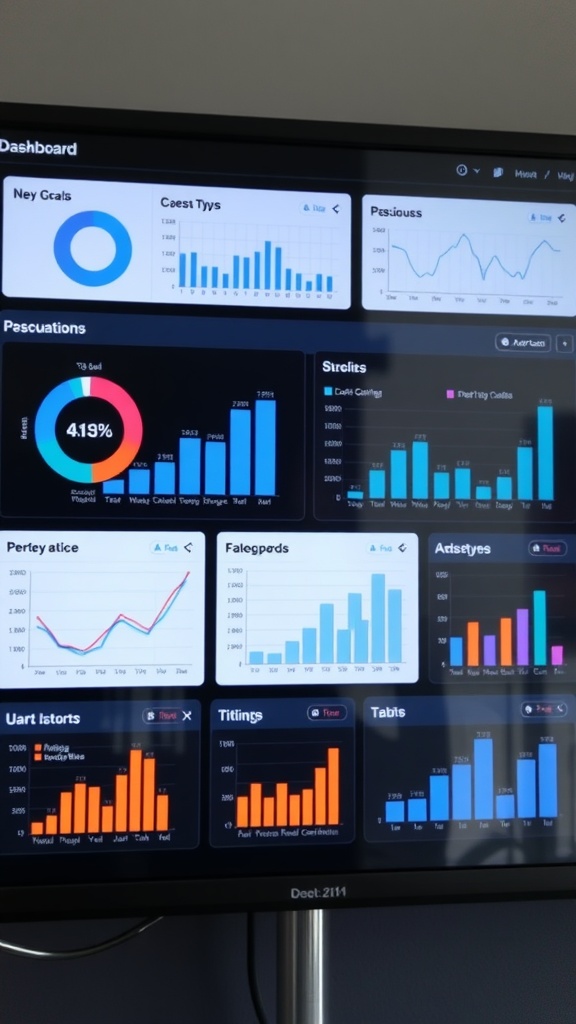
Tracking your business goals is like checking your roadmap. Use dashboards to visualize your progress and make adjustments when needed. Clear metrics keep everyone on the same page and motivated to reach those targets.
Understanding the Importance of Goal Setting in Business
Setting goals is key for any business. It gives direction and helps everyone focus on what matters most. When goals are clear, teams can work together better and celebrate their wins along the way.
Involving Team Members in the Goal-Setting Process

Getting everyone involved in setting business goals can make a big difference. When team members share their thoughts, it leads to better ideas and more commitment. Plus, it creates a sense of ownership that helps everyone stay focused on achieving those goals.
Utilizing Technology for Goal Tracking

Tracking your business goals can be a breeze with the right tech tools. Using apps for goal setting allows you to monitor progress in real-time and adjust as needed. Plus, it keeps everything organized, so you can focus on what really matters—growing your business!
Celebrating Milestones in Goal Achievement

Celebrating milestones is a great way to keep the team motivated. It brings everyone together and recognizes hard work. Plus, it makes achieving future goals even more exciting!
Setting Short-term vs. Long-term Goals

Short-term goals are like stepping stones that help you move toward your bigger dreams. They give you quick wins and keep you motivated along the way. Long-term goals provide the vision, guiding your efforts and helping you focus on what matters most.
The Role of Accountability in Achieving Goals

Accountability can be a game changer for reaching your business goals. When you share your targets with others, it creates a sense of responsibility that keeps you focused and motivated. Plus, having someone to celebrate your wins with makes the journey a lot more enjoyable!
Feedback Mechanisms for Continuous Improvement

Regular feedback is key for growth in any business setting. It helps teams identify what’s working and what needs a little tweak. By creating an open space for discussion, you can foster collaboration and keep improving together.
Creating an Action Plan to Achieve Goals

Having a clear action plan is key to hitting your business goals. Break down your goals into small, manageable steps, and track your progress along the way. This approach keeps you focused and motivated, making it easier to celebrate your wins!
Developing a Growth Mindset for Goal Achievement

A growth mindset is key to reaching your business goals. It encourages you to see challenges as opportunities for learning and growth. By embracing this mindset, you can stay motivated and keep pushing forward, no matter the obstacles you face.
The Impact of Leadership on Goal Setting

Strong leadership plays a big role in how teams set their goals. When leaders clearly communicate their vision, it helps everyone align their efforts. This connection boosts motivation and drives success.
Integrating Corporate Social Responsibility into Goals

Setting business goals is a great opportunity to weave in corporate social responsibility. When companies align their objectives with social impact, it not only helps the community, but also boosts employee morale. It’s a win-win that can drive success and create a positive brand image!
Setting Personal Development Goals Within the Business

Creating personal development goals is a great way to boost employee growth. These goals can help team members focus on their skills and career paths. With clear plans in place, everyone can work towards their best selves while contributing to the business.
Evaluating the Success of Business Goals

Evaluating how well your business goals are working is key to staying on track. Regular check-ins help you see what’s going well and what might need a tweak. Use data from your team meetings to make informed adjustments along the way!
Building Resilience to Overcome Goal-Setting Challenges

Setting business goals can be tough, and it’s normal to hit some bumps along the way. Staying flexible and open to change helps you bounce back when things don’t go as planned. Remember, every challenge is a chance to learn and grow!