Finding the right colors for your skin tone is key to looking your best. Learning about skin tone analysis and color theory can guide you. This article will explore these topics to help you choose the best colors for your skin.
Mastering skin tone analysis and color theory lets you pick colors that make you look stunning. Whether you’re refreshing your wardrobe or just curious, this article is for you.
Key Takeaways
- Understanding skin tone analysis is essential to finding the best colors for your skin tone
- Color theory plays a significant role in determining the most flattering colors for your skin
- Knowing your undertone is crucial to creating a perfect color palette
- Skin tone analysis and color theory can help you make informed fashion choices
- By applying the principles of skin tone analysis and color theory, you can enhance your natural beauty
- Experimenting with different colors and shades can help you find the perfect match for your skin tone
Understanding the Basics of Skin Tone Analysis
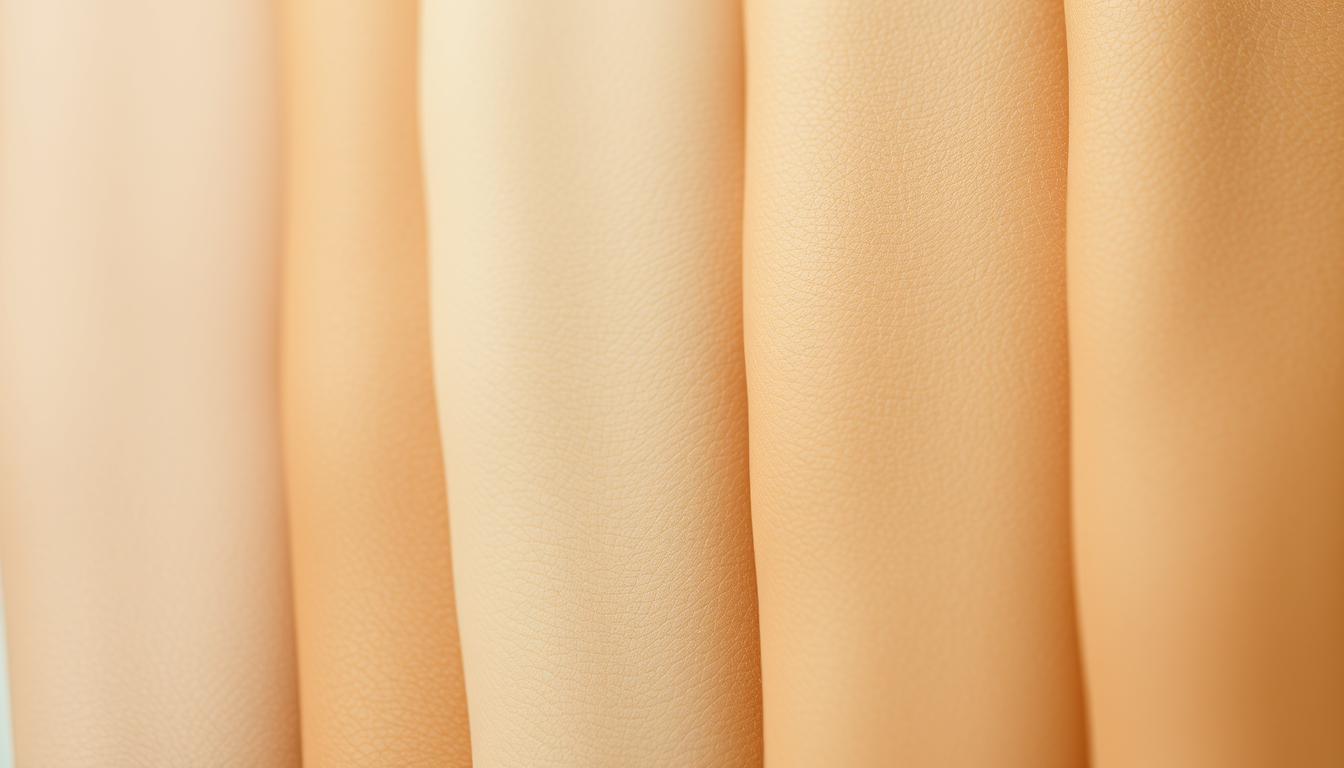
Figuring out the best colors for your skin starts with understanding skin tone analysis. Your skin tone is based on melanin levels, which can be warm, cool, or neutral. Skin color is shaped by genetics, environment, and lifestyle.
Knowing your undertones is key. Undertones are the underlying skin color, which can be warm, cool, or neutral. Warm undertones have a yellow or golden look. Cool undertones are pink or blue. Neutral undertones mix both. Finding the right colors for your skin starts with knowing your undertones.
Many things influence your skin tone, like genetics, sun exposure, and health. Melanin protects your skin from the sun. By grasping skin tone basics, you can choose colors that suit you, considering your unique undertones and skin color.
What Determines Your Skin Tone
- Genetics: Your genetic makeup plays a significant role in determining your skin tone.
- Environment: Exposure to the sun, pollution, and other environmental factors can affect your skin tone.
- Lifestyle: Your diet, stress levels, and overall health can also influence your skin tone.
The Difference Between Undertone and Surface Tone
Undertones are the skin’s underlying color, while surface tone is what you see. Knowing the difference helps pick colors that match your skin.
The Science Behind Color Theory and Skin
Understanding color theory and skin tone is key to picking the right colors. The 60-30-10 rule is a basic color theory principle. It says 60% of your outfit should be a main color, 30% a secondary color, and 10% an accent color. This helps balance colors and highlights your best features.
It’s important to know your skin tone and its undertones. Cool undertones look good with blue-based colors, while warm undertones match yellow-based colors. Neutral undertones can wear many colors well. Knowing your skin tone and using color theory helps you find colors that make you look great.
Some important things to think about when using color theory with your skin tone are:
- Contrast: Using contrasting colors can make your best features stand out and look good.
- Harmony: Picking colors that match your skin tone creates a natural look.
- Balance: Mixing warm and cool colors can make your look balanced and flattering.
By using these tips and knowing your skin tone, you can use color theory to create a style that suits you perfectly. This will make you look and feel your best.
How to Determine Your Undertone
Finding the right colors for your skin tone starts with knowing your undertone. You can use the jewelry test, vein check, or sun reaction test to figure this out. These methods help you see if you have cool, warm, or neutral undertones.
The Jewelry Test Method
Try on silver and gold jewelry to see which one makes your skin glow. Silver might make your skin look brighter if you have a cool undertone. Gold might be better if you have a warm undertone. This fun test is a good starting point.
The Vein Check Method
Look at the veins on the inside of your wrist. Blue or purple veins mean you might have a cool undertone. Green veins could mean you have a neutral undertone. This quick test can be done anywhere.
The Sun Reaction Test
Notice how your skin reacts to the sun. Burning easily might mean you have a cool undertone. Tanning easily could mean you have a warm undertone. This test can help you guess your undertone.
Using these methods can help you understand your undertone. Then, you can find the colors that look best on you. Remember, finding your perfect color palette is a fun journey. Experiment with different colors and enjoy the process!
| Method | Description |
|---|---|
| Jewelry Test | Tries on different types of jewelry to see which one complements the skin tone |
| Vein Check | Looks at the color of the veins on the inside of the wrist to determine undertone |
| Sun Reaction Test | Pays attention to how the skin reacts to the sun to determine undertone |
Warm Undertones: Your Perfect Color Palette
Having warm undertones means you can wear many colors. You can go from soft pastels to rich jewel tones. It’s key to pick colors that match your skin tone for the best look.
Colors with a golden or yellow base work well. Think olive green, terracotta, and golden brown.
A good color palette can change how you look and feel. Choosing the right clothes can make you look polished. Look for earthy tones like sienna, caramel, and honey.
Best Clothing Colors
- Earthy tones: sienna, caramel, honey
- Rich jewel tones: emerald green, sapphire blue, ruby red
- Soft pastels: peach, coral, mint
Makeup Recommendations
For makeup, warm undertones shine with golden or yellow colors. Use a foundation with a golden undertone. Pair it with a soft peach or coral blush.
Colors to Avoid
While you can wear many colors, some don’t look good on warm undertones. Avoid cool pastels like blue or pink. Also, bright and bold colors like neon green or yellow don’t work well.
By sticking to a good color palette, you’ll look harmonious and polished.
| Clothing Color | Makeup Recommendation |
|---|---|
| Earthy tones | Golden or yellow-based foundation |
| Rich jewel tones | Soft peach or coral blush |
| Soft pastels | Earthy tones like brown or green for eyes |
Cool Undertones: Ideal Color Choices
Choosing the right colors is key for cool undertones. These colors make your natural beauty shine. Cool undertones have a pink or blue tone to the skin. The right colors can make your look balanced and harmonious.
To find the best colors for cool undertones, follow these tips:
- Choose colors with a blue or pink base, like icy blues, rich berry shades, and deep plums.
- Stay away from warm colors like orange, yellow, and golden brown. They clash with cool undertones.
- Neutral colors like black, white, and gray are great. They’re easy to match with cool undertones.
By picking colors that match your cool undertones, you’ll look polished and cohesive. Remember, your personal style matters. Don’t hesitate to try new colors and find what suits you best.
Neutral Undertones: Versatile Color Options
People with neutral undertones can wear almost any color. This is because their skin doesn’t lean too much towards pink or yellow. This makes it easy to find colors that look great on them.
To spot neutral undertones, look for a mix of pink and yellow in the skin. They can pull off both cool and warm colors. This makes them versatile in their color choices. Some top picks include earthy tones like olive green and terracotta, and rich jewel tones like emerald green and sapphire blue.
- Try out different colors to see what looks best
- Think about your hair and eye color when picking colors
- Don’t shy away from trying new and bold colors
By following these tips and understanding your neutral undertones, you can create a versatile color palette. This will enhance your natural beauty and make you feel confident and stylish.
Seasonal Color Analysis Explained
Seasonal color analysis helps find the best colors for your skin tone all year. It looks at how seasonal colors match or don’t match your skin. This way, you can pick the right clothes and makeup for every season.
Learning about seasonal color analysis helps you choose wisely. It’s especially useful for picking out spring colors. These colors are bright and lively.
Spring Colors
Spring colors are great for people with cool skin tones. They make your skin glow. Think pastel shades, soft peaches, and minty colors.
Summer Colors
For those with warm skin tones, summer colors are perfect. They give a sun-kissed look. Coral, turquoise, and sunny yellow are popular choices.
Autumn Colors
Autumn colors suit neutral skin tones. They create a cozy feel. Look for rich reds, burnt oranges, and earthy browns.
Winter Colors
Winter colors are best for cool skin tones. They add drama and sophistication. Icy blues, frosty pinks, and snowy whites are great options.
| Season | Color Palette |
|---|---|
| Spring | Pastel shades, soft peaches, minty fresh hues |
| Summer | Coral, turquoise, sunny yellow |
| Autumn | Rich reds, burnt oranges, earthy browns |
| Winter | Icy blues, frosty pinks, snowy whites |
How to Pick the Best Colors for Your Skin Tone in Natural Light
Choosing the right colors for your skin tone is easier in natural light. Natural light shows your skin’s true undertones. This helps you pick colors that look great on you. Look for a spot with lots of natural light, like a window or a cloudy day outside.
Then, use a color wheel to find colors that are opposite your skin tone. These colors will make your skin look even and bright. For cool skin tones, look for warm colors like peach or golden brown.

Test colors on your skin in natural light. Try a bit of makeup or hold up a piece of clothing. This shows how the color will look in different lights. Following these steps helps you choose the best colors for your skin tone in natural light.
- Use natural light to reveal your skin tone’s undertones
- Utilize a color wheel to find complementary colors
- Test colors on your skin in natural light
Understanding your skin tone and how it looks with different colors in natural light is key. It helps you make smart choices about your wardrobe and makeup. This boosts your confidence and lets you express yourself better.
Making the Most of Your Color Choices
Now that you know your undertone and have a perfect color palette, it’s time to use your colors wisely. Creating a capsule wardrobe is a great start. It means picking a few key pieces that you can mix and match to make many outfits.
A good capsule wardrobe saves you time and money. It also makes choosing what to wear easier. Here are some tips to begin:
- Identify your favorite colors and patterns
- Choose high-quality, versatile pieces that fit well
- Consider the occasion and activity level for each piece
When mixing and matching, balance colors and textures. Try a bold top with a neutral bottom, or stripes with polka dots. Have fun trying new combinations.
By following these tips and creating a capsule wardrobe that suits you, you’ll enjoy your colors every day. Keep your wardrobe fresh by adding new pieces and mixing and matching outfits.
| Color Palette | Capsule Wardrobe Pieces | Mixing and Matching Tips |
|---|---|---|
| Neutral | White shirt, black pants, gray sweater | Pair white shirt with black pants, or gray sweater with white shirt |
| Bold | Red dress, blue top, yellow scarf | Pair red dress with yellow scarf, or blue top with black pants |
Common Color Selection Mistakes to Avoid
Choosing colors that match your skin tone can be tricky. One big mistake is not thinking about your undertones. Not knowing if you have warm, cool, or neutral undertones can cause colors to clash with your skin.
To avoid color selection mistakes, it’s important to understand your skin tone. For example, if you have cool undertones, warm colors might make you look tired. But, wearing colors that match your undertones can make you look vibrant and healthy.
- Not testing colors in natural light
- Ignoring your undertones
- Not considering the 60-30-10 rule, where 60% of your outfit is a dominant color, 30% is a secondary color, and 10% is an accent color
By being careful with these color selection mistakes, you can look great and feel confident. Remember, finding the right colors takes time and practice.
With a bit of effort and patience, you can master color selection. This way, you’ll develop a style that suits you perfectly.
Special Considerations for Different Occasions
Choosing colors for your outfit depends on the occasion. In professional settings, making a good impression is key. Neutral colors like navy blue, black, or gray are best. They help you fit in and seem serious.
At formal events, go for elegant colors. A black tie event demands a black tuxedo or a formal gown in a jewel-toned color. But, a wedding or party might be the time to show off with brighter colors.
- For professional settings, stick to neutral colors and avoid bold patterns or bright colors.
- For formal events, choose elegant and sophisticated colors that fit the occasion.
- For casual wear, feel free to experiment with different colors and patterns to express your personal style.
| Occasion | Color Palette |
|---|---|
| Professional Settings | Neutral colors (navy blue, black, gray) |
| Formal Events | Elegant and sophisticated colors (jewel tones, black tie) |
| Casual Wear | Vibrant and playful colors (pastels, brights) |
Adapting Colors for Different Seasons
As the seasons change, it’s key to adjust your color palette. Adapting colors for different seasons helps you look and feel great. For example, spring and summer are perfect for bright, bold colors. But fall and winter are better for richer, deeper tones.
To make the most of adapting colors for different seasons, follow these tips:
- Invest in seasonal clothing pieces that can be mixed and matched with your existing wardrobe
- Update your makeup routine to complement the changing seasons, such as switching to lighter shades in the summer and richer shades in the winter
- Don’t be afraid to experiment with new colors and combinations to find what works best for you
By adapting colors for different seasons, you can create a fresh and exciting look. Whether you’re updating your wardrobe, makeup routine, or both, seasonal colors are a great choice. They help you stay on-trend and look your best.
Hair Color and Its Impact on Your Color Choices
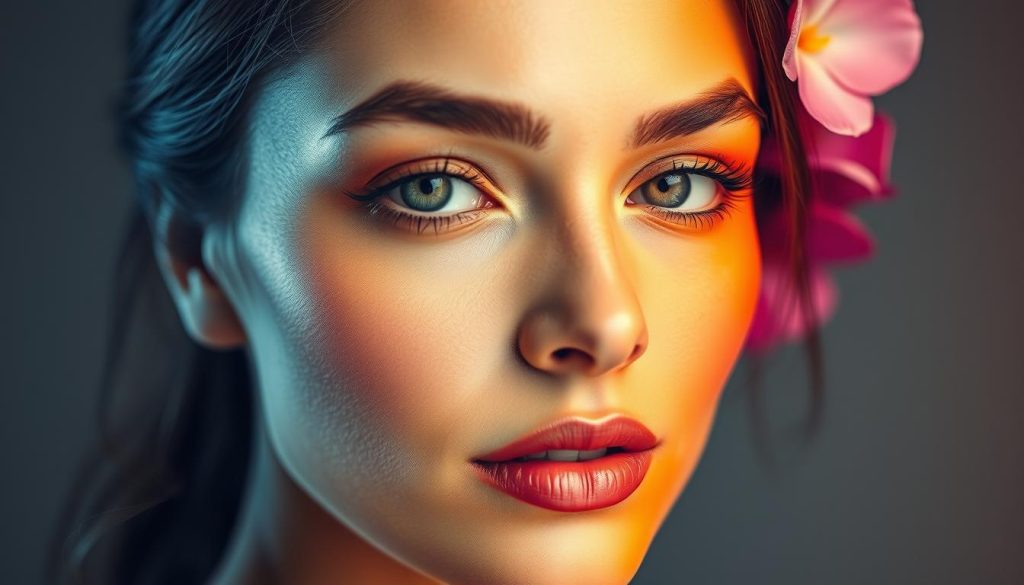
Choosing the right colors for your skin tone is important, and hair color is a big factor. Your natural hair color can change how colors look on you. It’s key to think about this when picking your colors.
For those with natural hair colors, colors often match well. For cool skin tones, ash blonde or platinum hair color looks great. Warm skin tones do well with honey blonde or golden brown hair color.
Here are some tips for choosing a hair color that goes well with your skin tone:
- Look at your skin’s undertones: Cool skin tones do well with blue or purple hair color. Warm skin tones match golden or honey hair color.
- Think about your natural hair color: If dyeing, consider your natural color’s impact.
- Don’t overlook your eye color: Your eye color can affect how hair color looks. For example, blue eyes look great with cool hair color.
By thinking about your hair color and its impact, you can find colors that flatter your skin tone. Choose a hair color that boosts your confidence. Don’t hesitate to try different shades until you find the perfect one.
| Hair Color | Skin Tone | Complementary Colors |
|---|---|---|
| Ash Blonde | Cool | Pastel pink, baby blue |
| Honey Blonde | Warm | Golden brown, olive green |
| Platinum | Cool | Charcoal grey, icy blue |
Accessories and Jewelry Selection
When it comes to finishing an outfit, accessories and jewelry selection are key. The right pieces can make a big difference, while the wrong ones can pull your look down. Think about your skin tone and what colors look good on you. For example, if your skin has a cool tone, silver or platinum jewelry will make it shine.
Also, think about the style of your outfit and the event. A bold jewelry piece can add glamour to a formal look. On the other hand, simple accessories are great for everyday wear. Here are some tips for picking accessories and jewelry:
- Match the colors in your outfit with your accessories.
- Choose jewelry that fits the style and occasion of your outfit.
- Feel free to try different accessories and jewelry to find what works for you.
By keeping these tips in mind, you can pick the right accessories and jewelry for your skin tone, style, and the event. This way, you’ll create outfits that look and feel amazing.
| Accessories | Jewelry Selection | Skin Tone |
|---|---|---|
| Earrings | Silver or Platinum | Cool |
| Necklace | Gold or Rose Gold | Warm |
| Bracelet | Metallic or Leather | Neutral |
Testing Colors Before Purchasing
Choosing the right colors for your skin tone is key. Virtual try-on tools have made it easier to test colors at home. This saves time and helps avoid buying colors that don’t match your skin.
Testing colors in person is also a good idea. Trying on clothes and makeup in stores lets you see how they look on you. It’s especially useful for big events or when buying expensive items.
- Ask a sales associate for guidance on finding the most flattering colors for your skin tone
- Try on a variety of different shades and styles to compare and contrast
- Take note of how the colors look in different lighting conditions, such as natural light and artificial light
Using both virtual try-on tools and in-store testing helps you make the best choices. Whether shopping online or in stores, testing colors first is crucial. It ensures you find the perfect shades for your skin tone.
| Testing Method | Benefits |
|---|---|
| Virtual Try-On Tools | Convenient, time-saving, and reduces risk of purchasing incorrect colors |
| In-Store Testing | Hands-on approach, allows for comparison of different shades and styles, and guidance from sales associates |
Conclusion
We’ve looked into how to choose the best colors for your skin tone. We’ve learned about the science behind skin undertones and the art of seasonal color analysis. Now, you have the tools to make color choices that flatter you.
Your skin tone is special, and finding colors that match it can boost your style. Try out different colors and stick to what you like. You’ll find a palette that makes you feel confident and bright.
Keep these color principles in mind as you explore fashion and beauty. With practice and the advice we’ve shared, you’ll create a wardrobe and makeup collection that highlights your natural beauty.
So, go ahead and choose colors that make your skin shine. It’s time to let your true colors be seen!