Meal prep is a smart way to save time and eat well. With some cooking tips, you can make a week’s meals in just 2 hours. This method helps you plan and prepare meals ahead, making it easier to eat healthy.
Adding meal prep to your daily routine means you can enjoy healthy meals without spending hours cooking. It’s perfect for those with busy lives. You can cook many meals quickly, thanks to efficient strategies.
Meal prep is about planning and preparing meals ahead of time. It uses cooking tips to make the process quicker. This way, you can ensure you eat healthy all week without spending too much time cooking each day.
Introduction to Meal Prep
In this article, we’ll dive into meal prep, sharing tips and techniques for quick and efficient prep. We’ll talk about planning, cooking, and storing meals. Plus, we’ll give advice on making meal prep a lasting habit.
Key Takeaways
- Meal prep can save time and help individuals eat healthy meals
- Cooking tips and techniques can make meal prep more efficient
- Meal prep allows individuals to plan and prepare meals in advance
- Healthy meals can be cooked in a short amount of time with the right strategies
- Meal prep is a great option for busy individuals who want to eat healthy
- Efficient meal prep strategies can make the process more enjoyable and sustainable
Understanding the Basics of Meal Prep
Meal prep is a smart way to save time, cut down on food waste, and boost your health. It starts with meal planning, which means planning and preparing meals ahead of time. It’s as easy as making a list of meals for the week and then buying the needed ingredients.
Meal prep lets you use time-saving techniques like batch cooking and doing multiple tasks in the kitchen. This makes it easy to whip up healthy meals fast, even when you’re busy. Plus, it can save you money by reducing waste and letting you buy ingredients in bulk.
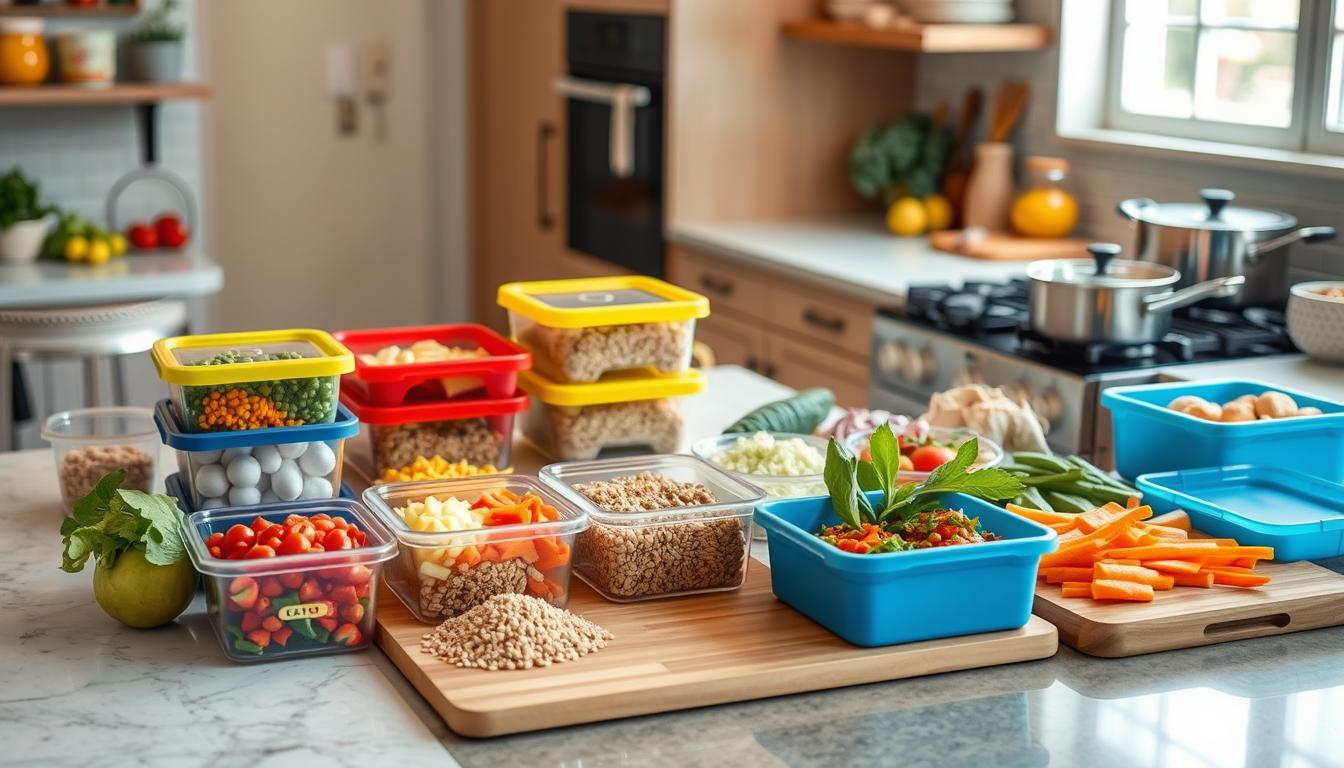
For food storage, having the right containers and tools is key to keeping meals fresh and safe. This includes glass containers, ziplock bags, and a big fridge. With the right storage, you can enjoy healthy meals for days, even when you’re in a rush.
Some people think meal prep is only for bodybuilders or that it takes a lot of time. But, it can fit any lifestyle or diet, and it can be simple or complex. Adding meal prep to your daily routine can bring many benefits, like better health, more energy, and increased productivity.
Essential Kitchen Equipment for Efficient Meal Prep
Having the right kitchen equipment is key for meal prep. Quality cooking tools save time and effort. Must-haves include slow cookers, instant pots, and food processors. These tools help prepare food quickly and efficiently.
A well-organized kitchen is also vital. You need a space for meal prep essentials like containers and spices. This makes it easy to find what you need to prepare meals.
- Stand mixers for mixing and kneading large batches of dough
- Blenders for making smoothies and pureed soups
- Immersion blenders for soups and sauces
These tools are great for making various meals and snacks. From salads to soups, they make meal prep easy. With good equipment and an organized kitchen, you can enjoy healthy meals all week.
A well-stocked kitchen with the right equipment and cooking tools is essential for efficient meal prep. With the right kitchen equipment, you can prepare healthy, delicious meals quickly and easily, making meal prep a sustainable and enjoyable part of your lifestyle.
Planning Your Weekly Meal Prep Strategy
Having a clear plan for meal planning is key. This means making a meal calendar, a shopping list, and thinking about budgeting for bulk shopping. Planning meals around sales and seasonal produce can save money and cut down on waste. It also saves time by avoiding last-minute grocery runs.
Grocery shopping is a big part of meal planning. It involves making a list of ingredients for the week and sticking to it. This helps avoid impulse buys and keeps costs down. Also, using budgeting tips for bulk shopping can save even more. Buying items like rice, pasta, and canned goods in bulk is often cheaper.
By adding meal planning and grocery shopping to your routine, you can develop healthy habits. These habits are part of a bigger meal prep strategy. They make cooking easier and healthy eating more accessible.
Smart Grocery Shopping for Meal Prep Success
Meal prep starts with grocery shopping. It’s key to plan what you’ll buy for your meals. Meal prep shopping can feel overwhelming, but with some tips, it gets easier.
First, write down what you need for your meals. This keeps you on track and stops you from buying things you don’t need. Try smart shopping like buying in bulk and visiting local farmers’ markets. You’ll support local farmers and get fresh, seasonal food.
Here are some benefits of smart grocery shopping:
- Save time and money by buying in bulk
- Get access to fresh, seasonal produce
- Avoid impulse buys and stay focused on your meal prep goals
By using these smart shopping tips, you’ll do great with your meal prep shopping. Stay focused, plan ahead, and make the most of your grocery shopping trips.
Time-Saving Meal Prep Techniques
Meal prep is all about saving time. Mastering time-saving techniques is key. Batch cooking is a top method. It means cooking a lot of food at once and then portioning it out for the week.
This approach cuts down on prep time. It lets you focus on other things. Plus, it ensures you have healthy meals ready to go.
Another way to save time is by multi-tasking. This means doing several things at once in the kitchen. For example, you can chop veggies for many dishes or cook proteins like chicken or beans in bulk.
Using kitchen hacks also helps. One-pot wonders and slow cookers can cut down cooking time. They make meal prep more efficient.
- Meal prep planning: take some time to plan out your meals for the week, including ingredients and cooking methods
- Kitchen organization: keep your kitchen organized and clutter-free to make meal prep easier and more efficient
- Shortcuts: use shortcuts like pre-chopped ingredients or pre-cooked meats to save time on meal prep
By using these techniques, you can save time in the kitchen. You’ll enjoy healthy, tasty meals all week.
| Technique | Description |
|---|---|
| Batch Cooking | Cooking large quantities of food at once |
| Multi-tasking | Prepping multiple meals at once |
| Kitchen Hacks | Using one-pot wonders or slow cookers to reduce cooking time |
Best Ingredients for Make-Ahead Meals
Choosing the right ingredients is key for make-ahead meals. Opt for healthy ingredients like lean proteins, whole grains, and fresh veggies. Good choices include brown rice, quinoa, chicken breast, and colorful veggies like broccoli and carrots.
Having a stocked pantry with healthy ingredients boosts your make-ahead meals quality. Keep staples like canned beans, olive oil, and spices handy. These add flavor and nutrition to your dishes. You can also use these ingredients to make salads, soups, and stir-fries.
- Plan meals around seasonal produce for freshness and variety
- Buy meal prep ingredients in bulk to save time and money
- Use leftovers to make new meals and cut down on waste
By picking the right meal prep ingredients and planning ahead, you can make tasty and healthy make-ahead meals. These meals will keep you energized and focused all day. Always choose healthy ingredients and get creative with your meal prep to keep it fun.
| Ingredient | Benefits | Meal Prep Ideas |
|---|---|---|
| Lean Proteins | High in protein, low in fat | Grilled chicken, turkey meatballs, fish tacos |
| Whole Grains | Rich in fiber, vitamins, and minerals | Brown rice bowls, quinoa salads, whole grain wraps |
| Fresh Vegetables | High in vitamins, minerals, and antioxidants | Stir-fries, roasted vegetables, vegetable soups |
Mastering the Two-Hour Meal Prep Schedule
To manage your time well and succeed in meal prep, focus on tasks and stay organized. A good cooking schedule is key to reaching your meal prep goals. It helps you use your time wisely and cook efficiently.
Here’s how to master the two-hour meal prep schedule:
First 30 minutes: Setup and prep
This first part is vital for getting your kitchen ready and prepping ingredients. Chop veggies, marinate proteins, and gather cooking tools. Good time management here keeps you on track and ensures a smooth cooking process.
Middle hour: Main cooking
This part is the heart of your meal prep schedule, where you cook. Focus on proteins, grains, and veggies. Multitasking is key to saving time. A structured cooking schedule keeps you organized and ensures perfect dishes.
Final 30 minutes: Packaging and cleanup
After cooking, it’s time to package meals and clean up. Portion meals, label them, and store them. A clean kitchen is crucial for a successful meal prep. Proper time management makes this easier.
By sticking to this two-hour meal prep schedule and prioritizing tasks, you can create an efficient cooking plan. Stay organized, manage your time well, and make the most of your cooking schedule for a successful meal prep experience.
| Time | Task |
|---|---|
| 0-30 minutes | Setup and prep |
| 30-60 minutes | Main cooking |
| 60-90 minutes | Packaging and cleanup |
Storage Solutions and Container Guidelines
Keeping food safe and fresh is key. Choosing the right containers is crucial for meal prep. Glass, plastic, and stainless steel containers each have their own benefits and drawbacks.
For example, glass is good for acidic foods like tomatoes. Stainless steel is best for hot foods. When picking containers, think about the food and storage conditions. Food storage containers need to be airtight, leak-proof, and easy to clean.
It’s also vital to follow container guidelines for safety. Check for cracks or damage and wash them often. This ensures your containers are safe to use.
Storing food at the right temperature is also important for food safety. Cooked foods should be refrigerated at 40°F (4°C) or below. Frozen foods need to be at 0°F (-18°C) or below. Label and date your containers to keep track of what you have stored.
- Fruits and vegetables: store in a cool, dry place or in the refrigerator
- Meat and poultry: store in the refrigerator or freezer
- Dairy products: store in the refrigerator
- Grains and legumes: store in a cool, dry place
By following these container guidelines and food safety tips, you can ensure your meal prep is safe and healthy. Always check the storage conditions and handling instructions for each food type. Use food storage containers that are safe and suitable for your needs.
| Food Type | Storage Conditions | Container Type |
|---|---|---|
| Fruits and vegetables | Cool, dry place or refrigerator | Plastic or glass containers |
| Meat and poultry | Refrigerator or freezer | Stainless steel or glass containers |
| Dairy products | Refrigerator | Plastic or glass containers |
| Grains and legumes | Cool, dry place | Plastic or paper containers |
Preventing Meal Prep Burnout
To avoid meal prep burnout, it’s key to stay motivated and engaged. Try new recipes to mix up your meal prep. This keeps things interesting and prevents boredom.
Here are some tips to stay motivated:
- Set achievable goals for your meal prep
- Track your progress and celebrate your successes
- Find a meal prep community or accountability partner for support
By staying motivated, you can enjoy the benefits of meal prep. These include less stress and better health. Keep your meal prep routine fresh and exciting. Don’t be afraid to try new things and make changes as needed.
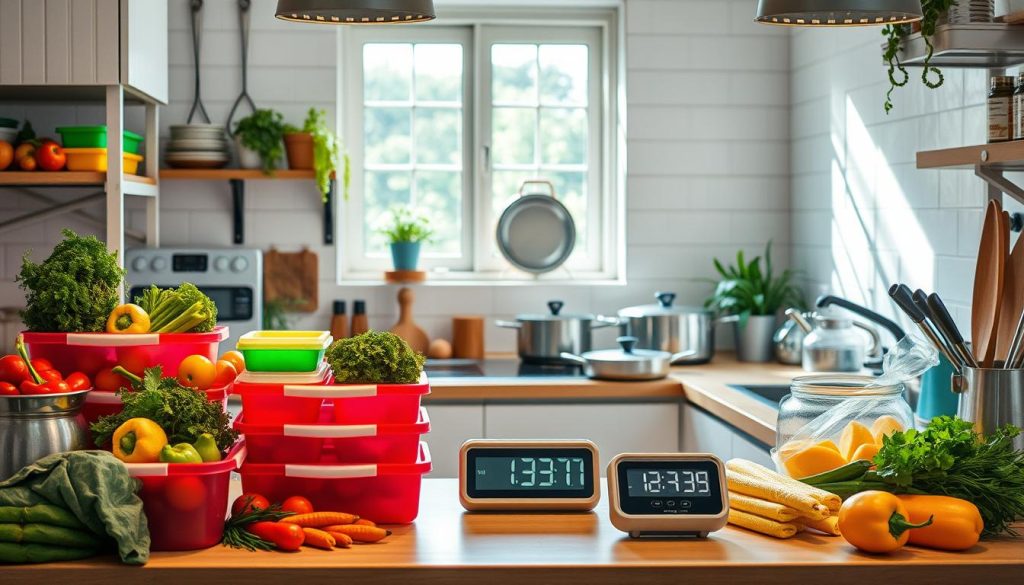
With creativity and planning, you can stay motivated and avoid meal prep burnout. Meal prep can then become a sustainable and enjoyable part of your life.
| Meal Prep Benefits | Description |
|---|---|
| Reduced Stress | Meal prep can help reduce stress by providing a sense of control and organization |
| Improved Health | Meal prep can help improve overall health by providing healthy, balanced meals |
Seasonal Meal Prep Adjustments
As the seasons change, it’s key to adjust your meal prep to use fresh, seasonal ingredients. Seasonal meal prep lets you enjoy the best produce each season offers. This makes your meals tasty and healthy.
In summer, summer meal prep focuses on fresh fruits and veggies like berries, corn, and bell peppers. You can prep big batches of salads, grilled veggies, and cool soups. It’s also important to drink lots of water in summer, so include hydrating foods and drinks in your prep.
In winter, winter meal prep turns to hearty, comforting dishes that warm you up. Think big batches of stews, soups, and casseroles with root veggies, beans, and lean proteins. Changing your meal prep with the seasons keeps your meals exciting and supports your health.
- Plan meals around seasonal ingredients for freshness and flavor.
- Change cooking methods with the season, like grilling in summer and roasting in winter.
- Stay hydrated and energized with the right foods for each season.
Embracing seasonal changes in your meal prep keeps your meals fresh, healthy, and tailored to your needs. This makes seasonal meal prep a great way to reach your health and wellness goals.
| Season | Key Ingredients | Meal Prep Strategies |
|---|---|---|
| Summer | Fresh fruits and vegetables, lean proteins | Grilling, salads, refreshing soups |
| Winter | Root vegetables, beans, lean proteins | Stews, soups, casseroles, roasting |
Troubleshooting Common Meal Prep Challenges
Meal prep can face challenges, and knowing how to solve them is key. Issues like running out of time, planning meals, and staying organized are common. To tackle these, prioritize tasks and stay adaptable. Being ready for surprises is crucial.
Some common meal prep challenges include:
- Running out of time to cook and prepare meals
- Struggling to plan meals that are healthy and delicious
- Difficulty staying organized and keeping track of ingredients and meals
To solve these problems, a good strategy is needed. This can include:
- Creating a meal prep schedule and sticking to it
- Planning meals in advance and making a grocery list
- Using a meal prep container to stay organized and keep track of meals
Being proactive and flexible can help you beat meal prep challenges. Remember, finding a system that works for you is key. With practice and patience, you can master meal prep and enjoy healthy meals all week.
| Meal Prep Challenge | Troubleshooting Solution |
|---|---|
| Running out of time | Create a meal prep schedule and prioritize tasks |
| Struggling with meal planning | Plan meals in advance and make a grocery list |
| Difficulty staying organized | Use a meal prep container and keep track of ingredients and meals |
Scaling Your Meal Prep for Different Household Sizes
Meal prep isn’t a one-size-fits-all solution. It changes based on how many people you’re cooking for. Whether it’s just you or a big family, adjusting your portions is key.
For solo cooks, it’s vital to avoid wasting food. Cook in smaller batches or use ingredients that keep well. For families, cooking in bulk is a good strategy. Use containers that make reheating easy.
Here are some tips for scaling your meal prep:
- Plan meals based on your household size.
- Adjust recipe sizes to prevent waste.
- Choose containers that are easy to reheat and store.
By thinking about your household size and adjusting your portions, you can make meal prep work better. It’s about finding the right amount of food to cook without wasting anything.
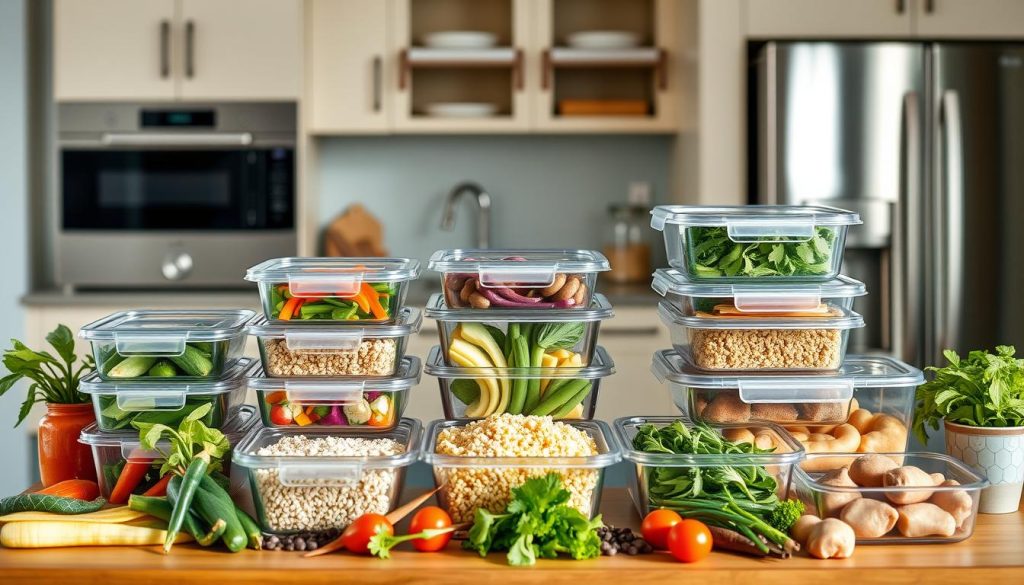
With a bit of practice, you can get good at scaling your meal prep. This way, you’ll enjoy healthy, tasty meals that fit your family’s needs.
| Household Size | Meal Prep Portions |
|---|---|
| 1-2 people | 2-3 meals per day |
| 3-4 people | 4-6 meals per day |
| 5 or more people | 6-8 meals per day |
Conclusion: Making Meal Prep a Sustainable Lifestyle Habit
Meal prepping can change your life for the better. It makes your life healthier and more organized. By doing meal prep every day, you save time and money. Plus, you get to eat meals that are good for you.
To keep meal prep going, treat it like any other weekly task. Set aside time each week to plan, shop, and cook your meals. Before long, it will feel like a natural part of your life. The more you do it, the easier and more fun it gets.
Start seeing the good in meal prep and make it a long-term goal for your healthy habits. It’s not just about saving time and money. It’s also about getting healthier and feeling better. Stay organized and committed, and you’ll keep up a sustainable meal prep routine for years.